
Im Zeitalter der intelligenten Technologie werden auch unsere Badezimmer aufgerüstet. Hier kommt die intelligente Toilette ins Spiel, ein Gerät, das mithilfe künstlicher Intelligenz die Darmgesundheit überwacht. Bei dieser Innovation geht es nicht nur um Komfort, sondern auch um die Gesundheit.
Intelligente Toiletten sind mit fortschrittlichen Sensoren und Algorithmen ausgestattet. Sie analysieren Stuhlproben, um Anomalien zu erkennen. Diese Technologie bietet eine neue Möglichkeit, die Gesundheit des Verdauungssystems im Auge zu behalten.
Stellen Sie sich eine Toilette vor, die Sie auf mögliche Gesundheitsprobleme hinweist. Krankheiten wie Reizdarmsyndrom, Morbus Crohn und Darmkrebs können frühzeitig erkannt werden. Diese Früherkennung kann zu besseren Gesundheitsergebnissen führen.
Intelligente Toiletten sind Teil eines wachsenden Trends bei intelligenten Badezimmergeräten. Sie lassen sich nahtlos in Gesundheits-Apps integrieren und liefern personalisierte Informationen. Das macht sie zu einem wertvollen Werkzeug für gesundheitsbewusste Menschen.
Der Einsatz von KI in Toiletten ist ein bedeutender Fortschritt. Er überbrückt die Lücke zwischen häuslicher Gesundheitsüberwachung und professioneller Pflege. Diese Technologie ermöglicht es den Nutzern, die Kontrolle über ihre Gesundheit zu übernehmen.
Privatsphäre und Komfort sind die wichtigsten Vorteile intelligenter Toiletten. Sie bieten eine diskrete Möglichkeit zur Überwachung der Gesundheit ohne invasive Eingriffe. Das macht sie für ein breites Spektrum von Nutzern interessant.
Mit der technologischen Entwicklung wachsen auch die Möglichkeiten von intelligenten Toiletten. Sie werden zu einem integralen Bestandteil von Smart-Home-Ökosystemen. Dies ist nur der Anfang einer neuen Ära der persönlichen Gesundheitsüberwachung.
Die Entwicklung der Intelligente Geräte für das Badezimmer
Intelligente Badezimmergeräte haben sich von Neuheiten zu unverzichtbarer Haustechnik entwickelt. Ursprünglich war ihr Hauptziel, den Komfort zu erhöhen. Funktionen wie automatische Spülungen und beheizte Sitze waren beliebt. Mit der Zeit haben sich diese Funktionen weiterentwickelt.
Die Integration von Gesundheitsüberwachungsfunktionen markiert einen bedeutenden Wandel. Intelligente Geräte bieten jetzt mehr als nur Komfort; sie tragen zum Gesundheitsmanagement bei. Moderne Sensoren und KI spielen bei dieser Entwicklung eine entscheidende Rolle. Sie liefern Gesundheitsdaten und Erkenntnisse in Echtzeit.
Zu den wichtigsten Entwicklungen im Bereich der intelligenten Badezimmertechnologie gehören:
- KI-Integration für die Gesundheitsüberwachung
- Sensortechnik Verbesserungen für Präzision
- IoT-Konnektivität für nahtlose Integration zu Hause
- Benutzerfreundliche Schnittstellen für einfachen Datenzugang
Diese Fortschritte haben die Attraktivität von intelligenten Bädern erhöht. Sie bieten Funktionen, mit denen herkömmliche Geräte nicht mithalten können. Die Nutzer können personalisierte Funktionen nutzen, die auf ihre gesundheitlichen Bedürfnisse zugeschnitten sind.
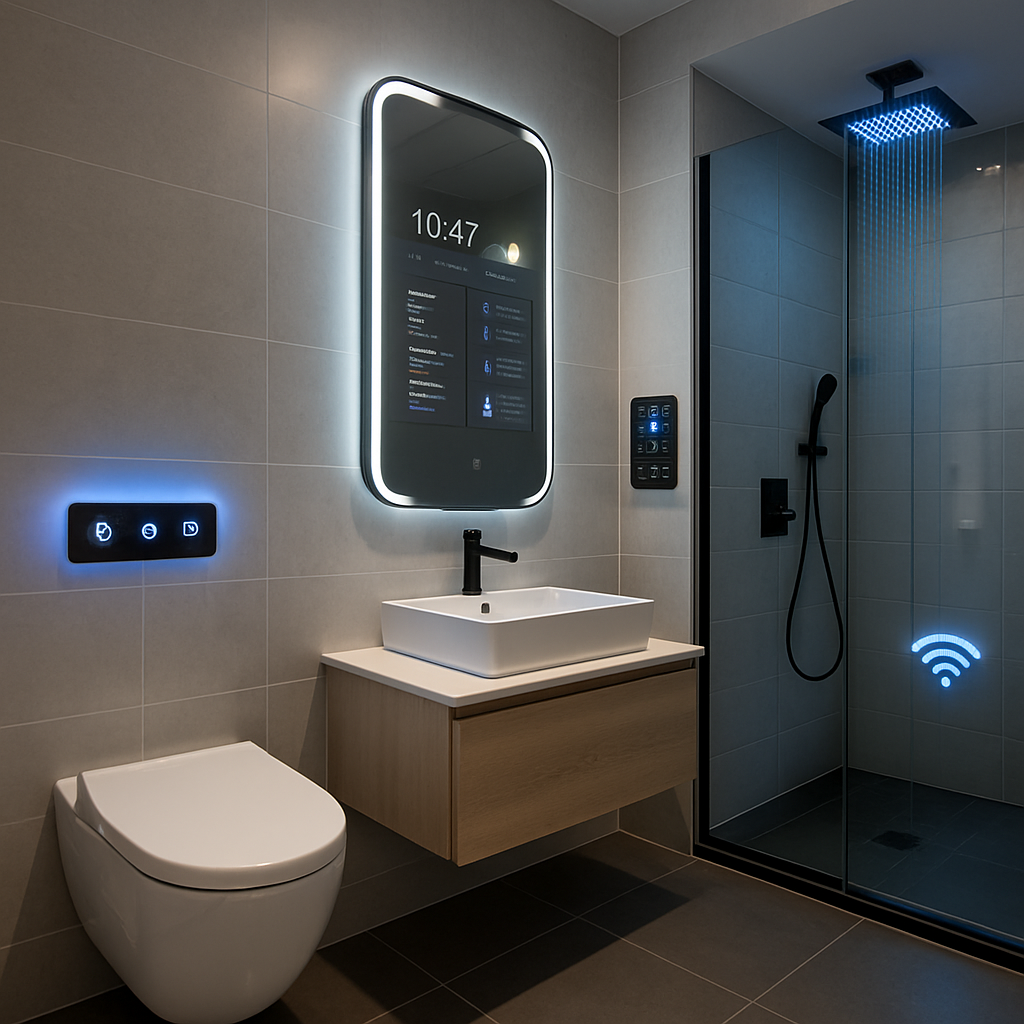
Mit diesen Innovationen sieht die Zukunft vielversprechend aus. Intelligente Bäder sind nicht mehr nur Luxus. Es geht darum, das Wohlbefinden und die Lebensqualität zu verbessern. Die Kombination aus Funktionalität und Gesundheitsbewusstsein macht sie so beliebt. Da immer mehr Menschen die Smart-Home-Technologie nutzen, wird die Nachfrage nach diesen Geräten zweifellos steigen.
Wie KI-gesteuerte intelligente Toiletten Arbeit
KI-gesteuerte intelligente Toiletten vereinen innovative Technologie und benutzerfreundliches Design. Sie sind mit fortschrittlichen Sensoren zur Überwachung der Darmgesundheit ausgestattet. Diese Sensoren sind strategisch in der Toilettenschüssel platziert. Sie sammeln jedes Mal Daten, wenn die Toilette benutzt wird.
Künstliche Intelligenz ist das Herzstück dieser intelligenten Technologie. Sie verarbeitet die von den Sensoren gesammelten Daten, um Muster zu erkennen. Das KI-System analysiert die Stuhlproben auf Anomalien. Dabei werden Faktoren wie Farbe, Konsistenz und Häufigkeit untersucht.
So funktioniert die Technologie in der Regel:
- Datenerhebung bei jedem Einsatz
- KI-gesteuerte Analyse Abweichungen zu erkennen
- Mustererkennung zur Verfolgung von Gesundheitstrends
- Benutzer-Feedback über eine App oder Schnittstelle
Sobald die Analyse abgeschlossen ist, gibt die intelligente Toilette ein Feedback. Die Nutzer erhalten über vernetzte Gesundheits-Apps verwertbare Erkenntnisse. Diese Erkenntnisse können den Nutzern helfen, ihre Darmgesundheit proaktiv zu verwalten.
Intelligente Toiletten können in ein umfassenderes Gesundheitsüberwachungssystem integriert werden. Sie bieten auf der Grundlage der Analyse personalisierte Tipps. Diese Funktion ermöglicht es den Nutzern, ihren Lebensstil nach Bedarf anzupassen.
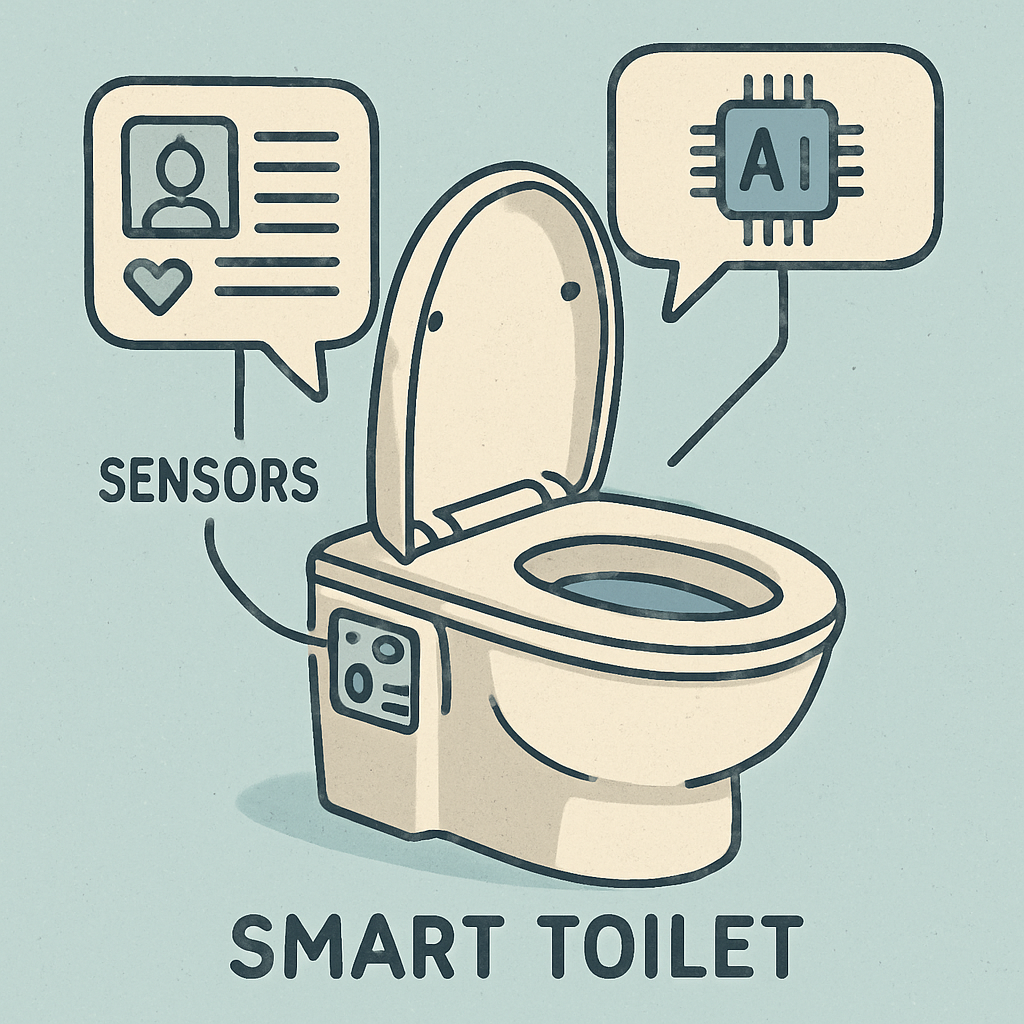
Das System kann frühe Anzeichen von Verdauungsstörungen erkennen und so die präventive Versorgung verbessern. Eine frühzeitige Erkennung kann die Behandlung einfacher und wirksamer machen. Dieser proaktive Ansatz kann die Gesundheitsergebnisse erheblich verbessern. Durch die frühzeitige Erkennung von Problemen bieten intelligente Toiletten ein wertvolles Instrument zur Erhaltung der Darmgesundheit.
Hauptmerkmale von Toiletten mit Gesundheitsüberwachung
Toiletten zur Gesundheitsüberwachung bieten eine Reihe fortschrittlicher Funktionen. Diese Toiletten sind so konzipiert, dass sie die Darmgesundheit auf intelligente Weise überwachen. Sie vereinen innovative Technologie mit alltäglichem Komfort und bieten dem Benutzer mehr Kontrolle über seine Gesundheit.
Zu den wichtigsten Merkmalen gehört der Einsatz präziser Sensoren. Diese Sensoren erkennen Veränderungen in der Zusammensetzung des Stuhls. Jedes Mal, wenn die Toilette benutzt wird, sammeln sie wichtige Daten. Dieses Niveau der Analyse war früher nur in medizinischen Labors möglich.
Intelligente Toiletten liefern schnelles Feedback und Warnungen. Sie sind so programmiert, dass sie verschiedene Benutzer erkennen und personalisierte Informationen liefern. Das macht die Technologie vielseitig in Mehrpersonenhaushalten einsetzbar. Sie stellt sicher, dass jeder Nutzer maßgeschneiderte Gesundheitsinformationen erhält.
Hier sind einige bemerkenswerte Merkmale von Toiletten zur Gesundheitsüberwachung:
- Analyse in Echtzeit für unmittelbare Einblicke
- Benutzererkennung für maßgeschneidertes Feedback
- Datenspeicherung und -verfolgung für historische Gesundheitsdaten
- Integration mit Gesundheitsanwendungen für nahtlosen Informationsaustausch
- Warnungen und Benachrichtigungen signifikante Änderungen hervorzuheben
Diese hochentwickelten Geräte sind ein großer Fortschritt in der häuslichen Pflege. Durch den Einsatz von Technologie verwandeln sie Routinetätigkeiten in wertvolle Gesundheitsbewertungen. So können die Menschen ihr Wohlbefinden selbst in die Hand nehmen, ohne ihr tägliches Leben zu stören.
Vorteile der intelligenten Toilette Überwachung der Gesundheit
Die Überwachung des Gesundheitszustands auf der Toilette bietet sowohl für den Einzelnen als auch für die Gesundheitssysteme zahlreiche Vorteile. Durch den Einsatz fortschrittlicher Technologie verändern diese Geräte das persönliche Gesundheitsmanagement. Sie machen bisher schwer zugängliche Gesundheitsinformationen direkt zu Hause zugänglich.
Ein großer Vorteil ist die Früherkennung von Gesundheitsproblemen. Intelligente Toiletten können Krankheiten wie Reizdarmsyndrom oder Darmkrebs erkennen, bevor die Symptome schwerwiegend werden. Dies fördert die Gesundheitsvorsorge und verringert das Risiko einer späten Diagnose.
Diese Toiletten minimieren auch den Bedarf an invasiver Diagnostik. Herkömmliche Verfahren können unangenehm und kostspielig sein. Durch die Analyse von Stuhlproben zu Hause bieten die intelligenten Toiletten eine nicht-invasive Alternative für regelmäßige Gesundheitschecks.
Nutzer können intelligente Toiletten mit Gesundheits-Apps verbinden. Diese Funktion ermöglicht einen nahtlosen Datenaustausch mit Gesundheitsdienstleistern. Medizinische Fachkräfte können auf aktuelle Gesundheitsinformationen zugreifen und so die Patientenversorgung und die Genauigkeit der Diagnose verbessern.
Hier sind die wichtigsten Vorteile der intelligenten Überwachung des Toilettenzustands:
- Frühzeitige Erkennung von Krankheiten, die ein rasches Eingreifen ermöglichen
- Nicht-invasive Diagnostik, Verringerung von Unannehmlichkeiten und Kosten
- Integration mit Gesundheitsanwendungen, Verbesserung der Zugänglichkeit von Daten
- Personalisierte Einblicke in die Gesundheit, zugeschnitten auf individuelle Bedürfnisse
- Geringere Kosten im Gesundheitswesen, durch Verringerung der Häufigkeit von Arztbesuchen

Letztendlich kann die Einführung intelligenter Toilettentechnologie zu besseren Gesundheitsergebnissen führen. Sie gibt den Nutzern Wissen an die Hand und fördert so ein proaktives Gesundheitsmanagement. Durch intelligente Überwachung kann der Einzelne mehr Kontrolle über seinen Gesundheitszustand erlangen, was zu einer besseren Lebensqualität führt.
Früherkennung und Krankheitsvorbeugung
Intelligente Toiletten, die mit KI ausgestattet sind, spielen eine wichtige Rolle bei der Früherkennung von Krankheiten. Durch die Analyse von Stuhlproben können sie Unregelmäßigkeiten erkennen, bevor Symptome auftreten. Dieses Frühwarnsystem ist entscheidend, um zu verhindern, dass Krankheiten unbemerkt fortschreiten.
Die Früherkennung von Krankheiten wie Reizdarmsyndrom und Darmkrebs kann die Behandlungsergebnisse erheblich verbessern. Mit der intelligenten Toilettentechnologie werden Veränderungen im Darmverhalten genau überwacht. Diese Erkenntnisse ermöglichen es dem medizinischen Personal, schnell zu handeln und so möglicherweise Leben zu retten.
Einer der wichtigsten Vorteile ist die Automatisierung regelmäßiger Gesundheitschecks. Die Nutzer erhalten rechtzeitig Warnmeldungen über ihre Darmgesundheit und können so proaktiv einen Arzt aufsuchen. Dies verringert die Belastung der Gesundheitssysteme und verbessert die Erfahrungen der Patienten.
Intelligente Toiletten bieten einen praktischen Ansatz für die Gesundheitsvorsorge. Die gesammelten Daten dienen sowohl dem Einzelnen als auch dem medizinischen Fachpersonal als Orientierung. Ein frühzeitiges Eingreifen kann verhindern, dass sich kleinere Probleme zu ernsthaften Gesundheitsproblemen entwickeln.
Hier sind einige Möglichkeiten, wie intelligente Toiletten zur Krankheitsprävention beitragen:
- Regelmäßige Gesundheitsüberwachung, Gewährleistung ständiger Wachsamkeit
- Automatisierte Warnmeldungen, Erleichterung frühzeitiger medizinischer Interventionen
- Verringerung invasiver Verfahren, Verringerung der Belastung der Patienten
- Datengesteuerte Erkenntnisse, Unterstützung der personalisierten Medizin
- Ermutigung zu proaktiven Gesundheitsgewohnheiten, Förderung des allgemeinen Wohlbefindens

Insgesamt kann die Fähigkeit der intelligenten Toiletten, gesundheitliche Veränderungen zu verfolgen und zu melden, die Strategien zur Gesundheitsvorsorge verändern. Sie geben den Nutzern wichtige Werkzeuge an die Hand, um ihre Gesundheit zu erhalten und künftigen Krankheiten vorzubeugen.
Integration mit Smart Home- und Gesundheits-Apps
Die Integration von intelligenten Toiletten mit Smart-Home-Systemen und Gesundheits-Apps ist ein Beispiel für modernen Komfort. Diese Toiletten sind keine eigenständigen Geräte, sondern lassen sich nahtlos in breitere digitale Ökosysteme einbinden. Diese Konnektivität verbessert das Benutzererlebnis und das Gesundheitsmanagement.
Mit der Integration können die Nutzer über ihre Smartphones oder Tablets auf Echtzeit-Gesundheitsdaten zugreifen. Die Synchronisierung der Daten ermöglicht eine umfassende Verfolgung der Darmgesundheit und anderer Gesundheitsmetriken. Es wird möglich, eine kontinuierliche Gesundheitsakte zu führen, die ein besseres langfristiges Gesundheitsmanagement ermöglicht.
Viele intelligente Toiletten arbeiten mit Gesundheits-Apps zusammen, um den persönlichen Gesundheitszustand zu verbessern. Nutzer können historische Daten einsehen, Vorschläge erhalten und Verbesserungen im Laufe der Zeit verfolgen. Diese Interaktionen fördern einen proaktiven Ansatz für das persönliche Wohlbefinden.
Zu den Merkmalen der intelligenten Toilettenintegration gehören:
- Datensynchronisierung in Echtzeit, Gewährleistung aktueller Informationen
- Analyse der Gesundheitstrends, und bietet Einblicke in Gesundheitsmuster
- Personalisierte Gesundheitsberatung, geliefert über Apps
- Benutzerfreundliche Schnittstellen, für eine einfache Datenauswertung
- Ganzheitliche Gesundheitsüberwachung, über intelligente Heimsysteme

Durch diese Integrationen ermöglichen intelligente Toiletten ihren Nutzern, auf Knopfdruck verwertbare Gesundheitsdaten zu erhalten. Diese Mischung aus Technologie und Komfort verdeutlicht das Potenzial für ein informierteres und proaktiveres Gesundheitsmanagement.
Datenschutz, Sicherheit und gemeinsame Nutzung von Daten
Da intelligente Toiletten sensible Gesundheitsdaten sammeln, sind Datenschutz und Sicherheit von größter Bedeutung. Die Nutzer erwarten robuste Maßnahmen zum Schutz ihrer persönlichen Daten. Die Hersteller dieser Geräte legen großen Wert auf Datenverschlüsselung und sichere Übertragungsverfahren.
Die Daten von Smart-Toiletten werden häufig sowohl während der Übertragung als auch im Ruhezustand verschlüsselt. Diese Verschlüsselung stellt sicher, dass nur autorisierte Benutzer auf die Informationen zugreifen können. Durch die Einführung strenger Sicherheitsprotokolle schützen intelligente Toiletten die Privatsphäre der Nutzer.
Der Austausch von Gesundheitsdaten mit Fachleuten im Gesundheitswesen kann zu besseren Diagnosen und Behandlungsplänen führen. Die Nutzer können wählen, ob sie bestimmte Daten freigeben möchten, und haben so die Kontrolle darüber, wer auf ihre Informationen zugreifen kann. Die Datenschutzeinstellungen sind anpassbar, so dass die Nutzer ihre Präferenzen für die Datenfreigabe selbst verwalten können.
Zu den wichtigsten Aspekten des Datenschutzes und der Datenverwaltung gehören:
- Verschlüsselung: Schutz der Daten während der Übertragung und Speicherung
- Zustimmung des Benutzers: Erforderlich für den Datenaustausch mit Dritten
- Anonymisierung: Hilft, die Privatsphäre der Benutzer zu schützen
- Anpassbare Einstellungen: Benutzer können den Datenzugriff kontrollieren
- Sichere Plattformen: Für die Datenanalyse und -speicherung

Indem sie sich auf die Sicherheit konzentrieren, schaffen die Hersteller intelligenter Toiletten Vertrauen bei den Nutzern und fördern so die Verbreitung dieser Geräte zur Gesundheitsüberwachung.
Herausforderungen und Grenzen der KI in intelligenten Klosetts
Trotz der vielversprechenden Vorteile steht die KI in intelligenten Toiletten vor einigen Herausforderungen. Eine große Hürde ist die Gewährleistung der Genauigkeit der Stuhlanalyse. Unstimmige Ergebnisse können zu falschen Erkenntnissen über die Gesundheit führen.
Eine weitere Herausforderung sind die Kosten für diese modernen Geräte. Hohe Preise können eine breite Akzeptanz verhindern. Intelligente Toiletten erschwinglicher zu machen, ist entscheidend für eine breitere Akzeptanz.
Es gibt nach wie vor Bedenken hinsichtlich der Datensicherheit, insbesondere in Bezug auf sensible Gesundheitsinformationen. Um das Vertrauen der Nutzer aufrechtzuerhalten, müssen solide Datenschutzmaßnahmen getroffen werden. Außerdem erfordert die Technologie ständige Aktualisierungen, um ihre Funktionalität und Zuverlässigkeit zu verbessern.
Zu den wichtigsten Herausforderungen gehören:
- Genauigkeit: Sicherstellung einer zuverlässigen Stuhlanalyse
- Erschwinglichkeit: Kostenreduzierung für breiteren Zugang
- Sicherheit der Daten: Strenge Einhaltung von Datenschutzprotokollen
- Benutzerakzeptanz: Das Vertrauen in neue Technologien fördern
- Technische Aktualisierungen: Kontinuierliche Verbesserung erforderlich

Die Bewältigung dieser Herausforderungen erfordert die Zusammenarbeit zwischen Herstellern, medizinischen Fachkräften und Aufsichtsbehörden, um wirksame und benutzerfreundliche Lösungen zu entwickeln.
Die Zukunft der Gesundheitstechnologie für intelligente Toiletten
Die Zukunft der intelligenten Toiletten-Gesundheitstechnologie ist vielversprechend, denn die ständigen Weiterentwicklungen ebnen den Weg für verbesserte Funktionen. Forscher arbeiten daran, die Genauigkeit und Tiefe der Analyse zu verbessern, um einen umfassenderen Einblick in die Gesundheit zu ermöglichen. Innovationen in der Sensortechnologie und bei den Algorithmen sind sehr vielversprechend.
Es wird erwartet, dass die Integration mit anderen Smart-Home-Geräten und breiteren Gesundheitssystemen zunehmen wird. Diese Entwicklung wird eine nahtlosere Gesundheitsüberwachung ermöglichen und dem Einzelnen einen ganzheitlichen Überblick über sein Wohlbefinden verschaffen. Da die Technologie immer fortschrittlicher wird, wird sie sich leicht in den Alltag integrieren lassen.
Zu den sich abzeichnenden Trends in diesem Sektor gehören:
- KI-gesteuerte Erkenntnisse: Verbesserte Analyse für eine bessere Diagnose
- Verbesserte Konnektivität: Stärkere Integration mit Gesundheits-Apps
- Synergie mit tragbaren Geräten: Kombination von Daten für umfassendere Gesundheitsprofile
- Umweltfreundliche Designs: Fokus auf Nachhaltigkeit in der Produktion
- Personalisierung der Gesundheit: Maßgeschneiderte Einblicke für individuelle Bedürfnisse

Wenn die Technologie ausgereift ist, wird sie wahrscheinlich für das persönliche Gesundheitsmanagement unverzichtbar werden und eine neue Ära der proaktiven Gesundheitsversorgung einläuten. Die Zusammenarbeit zwischen den Bereichen Technik, Gesundheitswesen und Design wird bei der Gestaltung dieser Entwicklung entscheidend sein.
Wer kann von der intelligenten Überwachung des Toilettenzustands profitieren?
Die Überwachung der Gesundheit auf der Toilette ist nicht nur eine technische Spielerei, sondern ein wertvolles Hilfsmittel für verschiedene Menschen. Menschen mit chronischen Verdauungskrankheiten wie Morbus Crohn oder Reizdarmsyndrom können von einer kontinuierlichen Überwachung sehr profitieren. Frühzeitige Warnungen bei Veränderungen der Stuhlgewohnheiten können Ängste lindern und für Ruhe sorgen.
Ältere Menschen sind eine weitere Gruppe, die von dieser Technologie profitieren kann. Intelligente Toiletten bieten eine diskrete Möglichkeit, den Gesundheitszustand ohne häufige Arztbesuche im Auge zu behalten. Die Möglichkeit, Daten mit Gesundheitsdienstleistern auszutauschen, kann zu rechtzeitigen Eingriffen führen und die Lebensqualität verbessern.
Darüber hinaus finden gesundheitsbewusste Menschen, die ihren Körper besser verstehen wollen, intelligente Toilettentechnologien interessant. Durch die Überwachung der täglichen Darmgesundheit können die Nutzer die Auswirkungen von Ernährungs- und Lebensstiländerungen schnell erkennen. So können sie fundierte Gesundheitsentscheidungen treffen.
- Patienten mit chronischen Krankheiten: Frühwarnungen
- Ältere Menschen: Bequemlichkeit und Sicherheit
- Gesundheitsbewusste Menschen: Tägliche Einblicke und Befähigung

Diese Technologie dient somit einer Vielzahl von Bevölkerungsgruppen, demokratisiert den Zugang zu persönlichen Gesundheitsdaten und ebnet den Weg für intelligentere Gesundheitsentscheidungen.
Schlussfolgerung: Aufbruch in die nächste Generation der persönlichen Gesundheitsüberwachung
Die Zukunft der persönlichen Gesundheitsüberwachung ist mit Innovationen wie KI-gesteuerten intelligenten Toiletten vielversprechend. Diese Geräte stellen einen bedeutenden Fortschritt in der proaktiven Gesundheitsfürsorge dar und geben dem Einzelnen wertvolle Einblicke in seine Verdauungsgesundheit. Im Zuge des technologischen Fortschritts wird die Integration solcher Geräte in den Alltag nahtlos erfolgen, unser Wohlbefinden steigern und einen proaktiven Ansatz für das Gesundheitsmanagement fördern.
Mit der Einführung intelligenter Toilettentechnologie machen die Nutzer einen Schritt hin zu einem gesundheitsbewussteren Lebensstil. Diese Bewegung unterstützt die präventive Pflege durch Früherkennung und Intervention. Die Nutzung dieser Fortschritte steigert nicht nur das persönliche Wohlbefinden, sondern trägt auch zu einem effizienteren Gesundheitssystem bei. Intelligente Toiletten sind in der Tat ein Beweis für das Potenzial der Technologie, die Art und Weise zu revolutionieren, wie wir unsere Gesundheit bequem von zu Hause aus verwalten.

 English
 Português do Brasil
 Español de México
 Deutsch
 Français