
The bathroom is no longer just a utilitarian space; it has rapidly transformed into a personal wellness sanctuary. Over the past decade, technological advancements have completely revolutionized home fixtures, but no innovation has made a more significant impact on our daily hygiene and comfort than the rise of the intelligent toilet.
If you are upgrading your bathroom and looking for the best smart toilet 2025 has to offer, you are stepping into a world of unparalleled cleanliness, striking modern design, and eco-friendly innovation. Gone are the days of standard ceramic bowls and frustratingly thin toilet paper. Today, a high-quality smart bidet toilet can heat your seat, wash you with precision, dry you with warm air, and even clean itself after you walk away.
But with so many models, features, and technical specifications on the market, choosing the best smart toilet for your specific needs, budget, and bathroom layout can feel overwhelming. In this comprehensive, expert-led guide, we will break down the essential smart toilet features you need to look for, compare top brands, guide you through installation, and answer your most pressing questions about upgrading your bathroom experience.
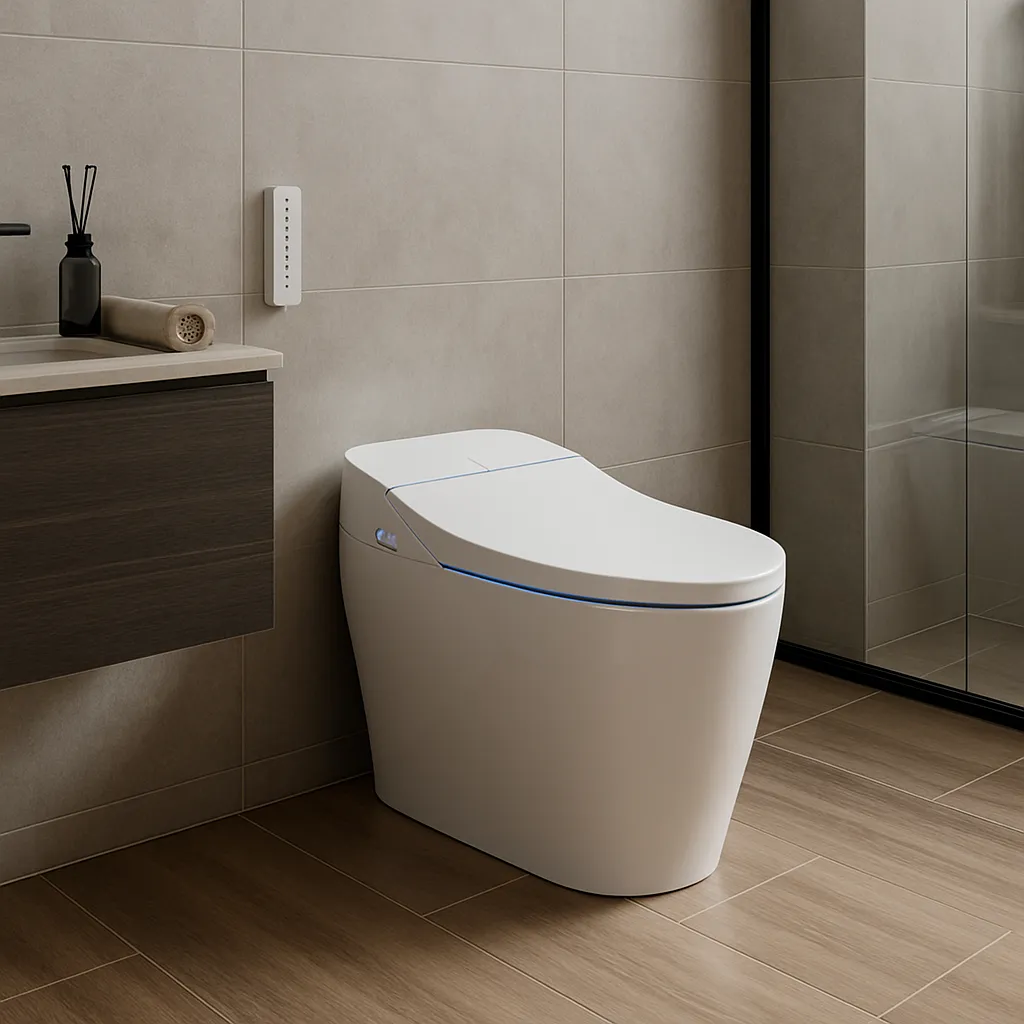
The Core Advantages: Understanding Smart Toilet Features
To understand why so many homeowners are making the switch, we first need to explore the technology that powers these remarkable appliances. A modern intelligent toilet is essentially a hybrid between a traditional toilet and an electronic bidet, packed with sensors and microprocessors. Here is a deep dive into the features that define the ultimate bathroom upgrade.
1. Precision Washing and Bidet Capabilities
At the heart of every intelligent toilet is the bidet wash system. This is what transforms the appliance from a simple receptacle into a personal hygiene tool.
- Adjustable water temperature and pressure: Everyone has different preferences and sensitivities. Premium models allow you to fine-tune the water flow to your exact liking. Whether you prefer a gentle, warm mist or a stronger, invigorating stream, having adjustable water temperature and pressure ensures a comfortable experience for every user. Most units feature an instant-heating ceramic core, meaning you never run out of warm water, unlike older models that relied on small, limited-capacity heated reservoirs.
- Oscillating and Pulsating Wash Modes: Beyond simple pressure adjustments, high-end models offer oscillating (back and forth) and pulsating (massage) spray patterns. This provides a wider cleaning area and can even help stimulate bowel movements for those who struggle with constipation.
- Front and Rear Wash Options: Dedicated feminine (front) and posterior (rear) wash modes ensure targeted, hygienic cleaning for all users, with specific nozzle angles designed for different anatomies.
2. Next-Level Hygiene Technologies
When you invest in a luxury bathroom fixture, you want it to do the dirty work for you. Modern smart toilets are designed to be virtually self-cleaning.
- Antimicrobial self-cleaning wand technology: One of the most common concerns for first-time bidet users is nozzle hygiene. Today’s market leaders utilize antimicrobial self-cleaning wand technology. Before and after every single use, the stainless steel or antimicrobial resin nozzle rinses itself with sterilized or electrolyzed water (such as TOTO’s eWater+ system). This prevents bacteria buildup and ensures the wand is pristine for the next user.
- Pre-Misting the Bowl: Many smart toilets feature a “pre-mist” function. As soon as you approach or sit down, the toilet sprays a fine mist of water onto the ceramic bowl. Because waste adheres much less easily to a wet surface than a dry one, this simple feature drastically reduces the need for manual scrubbing.
- Carbon filter air deodorizing system: Forget chemical-heavy aerosol air fresheners. A built-in carbon filter air deodorizing system uses an intake fan to pull odors directly from the bowl and pass them through a replaceable activated carbon filter. This neutralizes foul smells at the source before they can ever reach the rest of the bathroom.

3. Hands-Free Automation
The fewer surfaces you touch in a bathroom, the better. Automation is a cornerstone of the 2025 smart bathroom experience.
- Motion-activated lid opening and closing: Imagine walking into your bathroom and having your toilet greet you by silently raising its lid. Motion-activated lid opening and closing relies on microwave or infrared sensors to detect your approach. Not only does this feel incredibly luxurious, but it also means you never have to touch a potentially germy toilet lid again. Furthermore, the lid will automatically close a minute or two after you leave, keeping your bathroom looking tidy and preventing pets from drinking out of the bowl.
- Hands-free automatic flushing benefits: Die hands-free automatic flushing benefits cannot be overstated. By using seat sensors that detect when you stand up, the toilet automatically calculates whether a full or partial flush is needed and executes it without you ever touching a lever or button. This is excellent for preventing the spread of bacteria and is incredibly helpful for individuals with mobility issues, arthritis, or young children who simply forget to flush.
4. Ultimate Comfort and Safety
A premium smart toilet is designed to make your daily routine as comfortable and safe as possible, particularly during the colder months or in the middle of the night.
- Integrated warm air dryer functionality: To completely eliminate the need for toilet paper, these toilets feature integrated warm air dryer functionality. After the wash cycle is complete, a gentle breeze of warm, temperature-adjustable air dries you off. While it may take a minute or two longer than using paper, it is vastly gentler on sensitive skin.
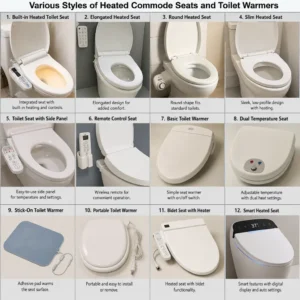
- Heated seat energy consumption and Eco-Modes: Sitting on a freezing ceramic seat in the middle of winter is a shock to the system. Heated seats solve this, but many homeowners worry about heated seat energy consumption. Fortunately, the top models of 2025 feature intelligent eco-modes. They learn your household’s schedule—detecting when the bathroom is rarely used, such as during the workday or late at night—and lower the seat temperature accordingly, only warming it up when you typically use the room.
- Personalized user memory presets: In a multi-person household, constantly readjusting water pressure, nozzle position, and seat temperature is a hassle. High-end remotes allow for personalized user memory presets. With the push of a single button (e.g., “User 1” or “User 2”), the toilet instantly configures all settings to your exact preferences.
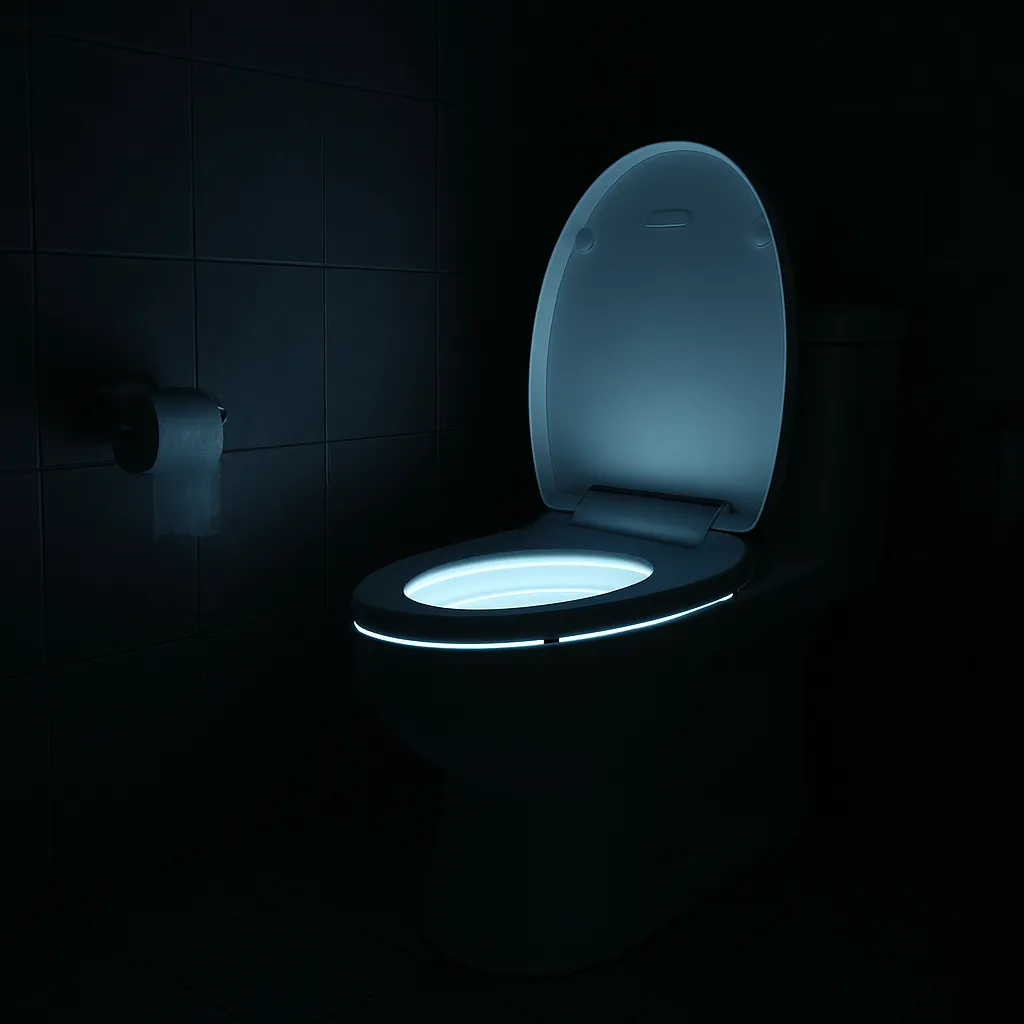
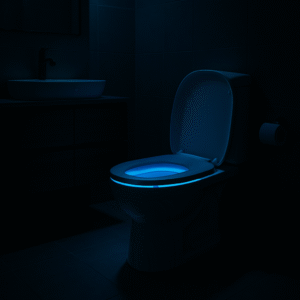
- LED night light bathroom safety: Navigating a dark bathroom at 3 AM can lead to stubbed toes or dangerous falls. Turning on the harsh overhead vanity light can disrupt your sleep cycle. LED night light bathroom safety features cast a soft, ambient glow (often blue or soft white) from inside the bowl or around the base of the toilet. This provides just enough illumination to safely guide you without waking you up completely.
Health and Wellness: Are Smart Toilets More Hygienic Than Toilet Paper?
A common question among those looking to upgrade is: are smart toilets more hygienic than toilet paper? The short answer is an overwhelming yes.
From a medical and dermatological standpoint, relying solely on dry toilet paper is a deeply flawed method of cleaning. If you got mud on your arm, you wouldn’t just wipe it off with a dry paper towel and consider yourself clean; you would use water. The same logic applies to bathroom hygiene.
Dry toilet paper often smears waste rather than removing it completely. Furthermore, the aggressive wiping required to feel clean can cause micro-abrasions on delicate skin, leading to irritation, hemorrhoids, and an increased risk of infections.
A water wash, on the other hand, thoroughly removes bacteria without friction. This is particularly beneficial for:
- Women’s Health: The feminine wash feature helps maintain a healthy pH balance and is invaluable during menstruation, pregnancy, and postpartum recovery, where sensitive areas require gentle care.
- Mobility Issues: For the elderly, individuals recovering from surgery, or those with conditions like arthritis or obesity, twisting and reaching to wipe can be painful or physically impossible. A smart toilet restores dignity and independence in the bathroom.
- Preventing Cross-Contamination: Because smart toilets utilize hands-free flushing and self-cleaning nozzles, the transmission of fecal bacteria (such as E. coli) to your hands, sink faucets, and doorknobs is drastically reduced.
The Big Debate: Smart Toilet vs Bidet Seat Comparison
When researching your options, you will quickly realize there are two main pathways to achieving a high-tech bathroom: buying a full, integrated smart toilet, or buying a smart bidet seat to attach to your existing toilet.
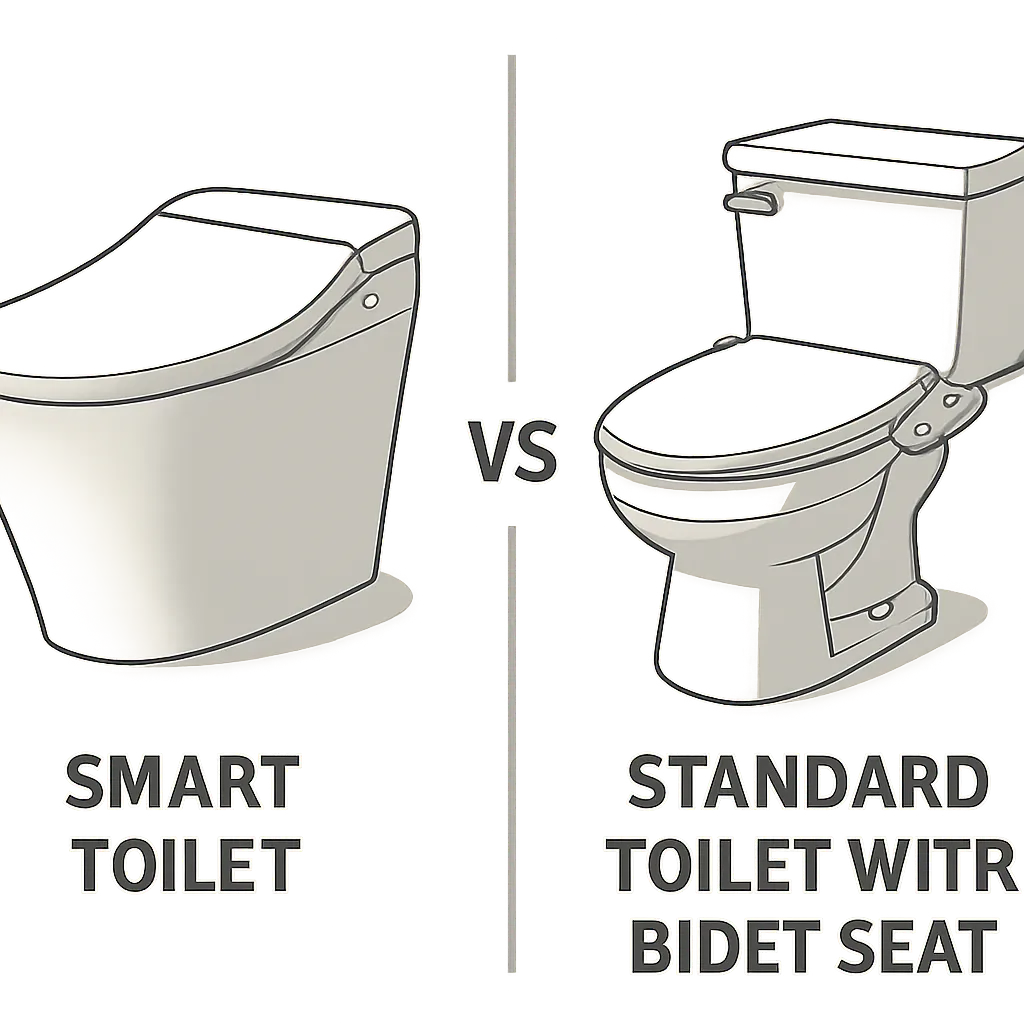
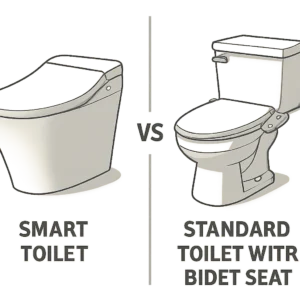
Understanding the smart toilet vs bidet seat comparison is vital for making the right purchasing decision for your budget and space.
Integrated Smart Toilets
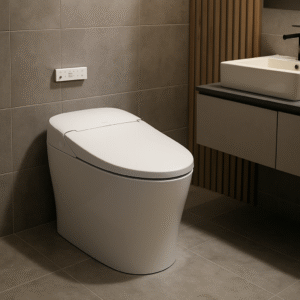
An integrated smart toilet is a complete unit where the bidet functionality, sensors, and flushing mechanisms are built directly into the ceramic body of the toilet itself.
Pros:
- Seamless Aesthetics: They feature ultra-modern, sleek, and often tankless designs that look incredible in contemporary bathrooms. There are no bulky hoses or wires visible.
- Advanced Flushing: Because the flush mechanism is tied to the electronics, you get true automatic, hands-free flushing.
- Space-Saving: Many tankless smart toilets have a smaller footprint than standard two-piece toilets, making small bathrooms feel larger.
- Durability: Built as a single cohesive unit, they are engineered to work together flawlessly.
Cons:
- Price: They are a significant investment, often ranging from $1,500 to over $10,000 for top-tier luxury models.
- Installation: Usually requires a professional plumber and electrician, as they need dedicated water lines and power.
Smart Bidet Seats
A bidet seat (or washlet) replaces the existing seat on your current toilet. It connects to your existing water supply line and plugs into a nearby wall outlet.
Pros:
- Cost-Effective: You can get 90% of the features of a smart toilet (heated seat, warm water wash, air dryer) for $300 to $1,000.
- DIY Installation: They are incredibly easy to install yourself in under an hour without calling a plumber.
- Renter-Friendly: If you move, you can easily uninstall the seat, put the original toilet seat back on, and take your bidet seat with you to your new home.
Cons:
- Aesthetics: They can look a bit bulky, as the electronic components and water reservoirs are housed in the rear of the seat. You will also have a visible water hose and power cord.
- No Auto-Flush: Because the seat does not control your toilet’s tank mechanism (in most cases), you still have to manually flush the toilet.
- Fit Issues: You must ensure you buy the correct shape (round or elongated) to match your existing bowl, and even then, the fit may not be as perfect as an integrated unit.
The Verdict: If you are doing a full bathroom remodel or building a new home and have the budget, a full integrated smart toilet is the ultimate luxury choice. If you want the hygiene benefits on a tighter budget or without remodeling, a bidet seat is an exceptional compromise.
Brand Spotlight: Best High-End Intelligent Toilet Brands
If you have decided to take the plunge into the luxury market, you want to ensure you are buying from reputable manufacturers known for durability, warranty support, and cutting-edge innovation. Here are the best high-end intelligent toilet brands dominating the market in 2025:
1. TOTO (The Pioneer of the Washlet)
You cannot discuss smart toilets without mentioning TOTO. The Japanese manufacturer essentially invented the modern electronic bidet seat (the Washlet) in the 1980s. Their flagship TOTO Neorest line remains the gold standard for luxury bathrooms worldwide.
- Why they stand out: TOTO’s eWater+ technology uses electrolyzed water to sanitize the bowl and nozzle without harsh chemicals. Their Tornado Flush system is incredibly powerful yet quiet, and the CeFiONtect ceramic glaze prevents waste from sticking. The Neorest models offer unparalleled reliability and a timeless, minimalist aesthetic.
2. Kohler (The Master of Smart Home Integration)
Kohler has taken the smart toilet and fully integrated it into the broader smart home ecosystem. Their Numi 2.0 und Veil collections are architectural masterpieces.
- Why they stand out: Kohler excels in experiential luxury. The Numi 2.0, for instance, features built-in Amazon Alexa, allowing you to check the weather, play music through high-fidelity integrated speakers, and control the toilet’s ambient lighting with your voice. Their styling tends to be very bold and architectural, making their toilets true statement pieces.
3. Moen (The Rising Star of Tech Integration)
Traditionally known for faucets and fixtures, Moen has entered the smart toilet arena with aggressive innovation and highly competitive pricing.
- Why they stand out: Moen’s intelligent toilets offer immense value. They pack almost every premium feature—auto-open/close, warm air drying, infinite warm water, and UV-C sterilization technologies—into price points that often undercut TOTO and Kohler. Their designs are sleek, approachable, and highly reliable.
4. Bio Bidet & Brondell (The Value Champions)
While highly respected for their add-on bidet seats, brands like Bio Bidet (by Bemis) and Brondell are now offering full smart toilets that deliver incredible bang for your buck.
- Why they stand out: They offer “entry-level” integrated smart toilets. If you want the seamless look of a tankless smart toilet but want to keep the budget under $1,500, these brands offer excellent, reliable options with robust customer service.
Sustainability: Water Conservation and Eco-Friendly Flushing
One of the most compelling reasons to upgrade to a smart toilet goes beyond personal comfort; it touches upon global sustainability. The modern smart bathroom is designed with the environment in mind.
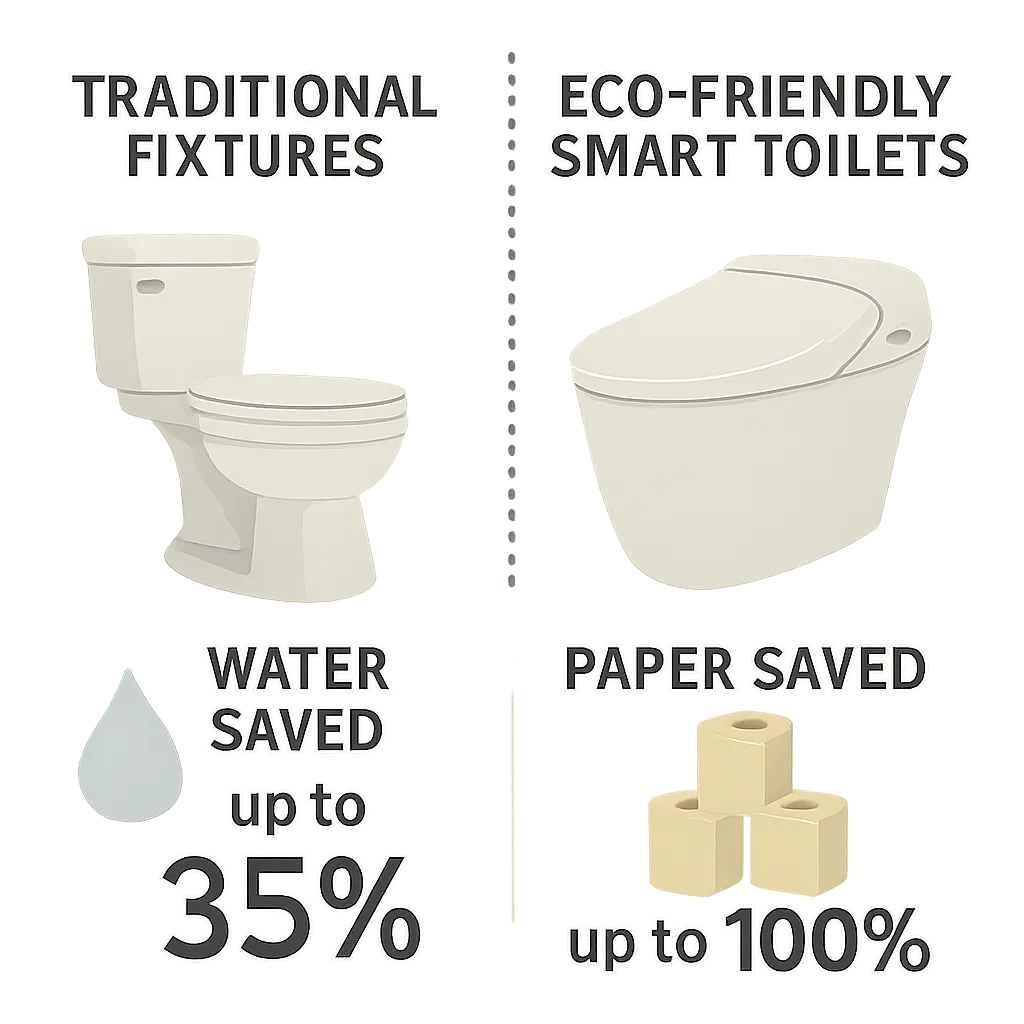
First, let’s talk about water conservation and eco-friendly flushing. Older, traditional toilets can use up to 3.5 to 5 gallons of water per flush (gpf). Today’s smart toilets are ultra-high-efficiency. Many utilize a dual-flush system that uses as little as 0.8 to 1.0 gpf for liquid waste, and 1.28 gpf for solid waste. Through advanced engineering—like using pressurized water jets instead of relying solely on gravity—smart toilets achieve a cleaner bowl with a fraction of the water.
Second, we must consider the environmental impact of toilet paper. The manufacturing of toilet paper requires millions of trees to be cut down annually, alongside massive amounts of water and harsh bleaching chemicals used in the production process. Then there is the “paper mile” carbon footprint of wrapping it in plastic and shipping it to grocery stores worldwide.
By utilizing the bidet wash and the integrated warm air dryer functionality, a single household can reduce their toilet paper consumption by 75% to 100%. Over the lifespan of the toilet, this saves countless trees, reduces your household’s plastic waste, and keeps hundreds of dollars in your pocket that would have been spent on paper goods.
Pre-Installation Logistics: Do Smart Toilets Need a Power Outlet?
Before you hit “add to cart” on a new intelligent toilet, you must evaluate your bathroom’s current infrastructure. The most frequent oversight homeowners make is related to electricity.
Do smart toilets need a power outlet? Yes, absolutely. Unlike standard toilets that operate entirely on water pressure and gravity, smart toilets require continuous electricity to power the water heaters, air dryers, sensors, and motorized lids.
Electrical Requirements
You will need a dedicated Ground Fault Circuit Interrupter (GFCI) outlet located near the toilet.
- Safety First: Because the outlet will be near a water source, building codes mandate that it must be a GFCI outlet (the kind with the “Test” and “Reset” buttons).
- Placement: Most manufacturers recommend the outlet be placed on the wall behind or immediately next to the toilet, usually about 12 inches off the floor, so the power cord can reach it without needing an extension cord (which is highly discouraged for high-draw bathroom appliances).
- Power Draw: High-end models with instant water heaters and heated seats can draw a significant amount of power when all features are running simultaneously (up to 15 amps). If you are remodeling, it is highly recommended to have an electrician run a dedicated 15-amp or 20-amp circuit just for the toilet so it does not trip the breaker when someone uses a hair dryer at the vanity at the same time.
Water Supply Requirements
While a standard toilet water line will usually suffice for a bidet seat, tankless integrated smart toilets have specific water pressure requirements. Because they do not have a tank of water sitting in reserve, they rely on your home’s incoming water pressure to generate a strong flush. Before purchasing a tankless model, you or your plumber must check that your home’s dynamic water pressure meets the manufacturer’s minimum specifications (typically around 20-30 psi while the water is flowing).
DIY Guide: How to Install a Bidet Toilet Seat
If you have chosen to go the route of the bidet seat attachment, you are in luck. You do not need a degree in plumbing to get it up and running. Learning how to install a bidet toilet seat is a straightforward DIY project that usually takes about 30 to 45 minutes.
Here is your step-by-step guide to upgrading your existing toilet:
Tools You Will Need:
- Adjustable wrench
- Phillips head screwdriver
- A small bucket or towel
- Teflon tape (plumber’s tape)
Step 1: Remove the Old Toilet Seat
Locate the two plastic caps at the back of your current toilet seat. Pop them open and use your screwdriver (or a wrench, depending on the fastener) to unthread the bolts holding the seat in place. Remove the seat and give the porcelain area a thorough cleaning.
Step 2: Turn Off the Water Supply
Locate the water shut-off valve on the wall or floor behind the toilet. Turn it clockwise until it is completely closed. Flush your toilet and hold down the handle to drain as much water out of the toilet tank as possible.
Step 3: Disconnect the Water Supply Line
Place your small bucket or towel under the toilet tank connection to catch any residual water. Use your adjustable wrench to unscrew the flexible water supply hose from the bottom of the toilet tank. (Leave the other end connected to the wall valve).
Step 4: Install the Bidet T-Valve
Your new bidet seat will come with a metal or heavy-duty plastic T-valve. This piece splits the water flow—one path goes to the toilet tank, the other to your new bidet seat.
- Screw the top of the T-valve onto the fill valve connection at the bottom of the toilet tank. (Wrap the threads with a little Teflon tape first to ensure a watertight seal).
- Hand-tighten it, then give it a gentle quarter-turn with the wrench. Do not over-tighten, or you risk cracking the plastic threads on the toilet.
- Reconnect the wall water supply hose to the bottom of the T-valve.
Step 5: Mount the Catch Plate
Your bidet seat comes with a mounting bracket (catch plate). Place this bracket over the bolt holes on the toilet bowl. Insert the provided bolts through the adjustable brackets and tighten the nuts from underneath. Do not tighten them fully yet; leave a little wiggle room for adjustment.
Step 6: Slide and Lock the Bidet Seat
Take your smart bidet seat and slide it flat onto the mounting bracket until you hear a definitive “click,” indicating it is locked in place. Check the alignment of the seat. Does it line up perfectly with the rim of the bowl? If not, push a quick-release button on the side to slide the seat off, adjust the mounting bracket accordingly, tighten the bolts fully, and slide the seat back on.
Step 7: Connect the Bidet Hose
Take the smaller water hose provided with your bidet seat. Connect one end to the side port of the T-valve you installed in Step 4, and the other end to the water inlet on the side of the bidet seat.
Step 8: Turn the Water On and Test for Leaks
Slowly turn the water shut-off valve on the wall counter-clockwise to restore water flow. Watch the T-valve and both hose connections carefully for a few minutes. If you see any dripping, tighten the connection slightly with your wrench.
Step 9: Plug It In and Enjoy
Plug the heavy-duty power cord into your GFCI outlet. The seat will likely beep, and you will hear the internal mechanics prime themselves. You are now ready to enjoy your new smart bathroom experience!
(Note: If you are installing a full, integrated tankless smart toilet, rather than just a seat, the process involves removing the entire toilet bowl, replacing the wax ring, and potentially altering the plumbing rough-in. For integrated units, professional installation by a licensed plumber is highly recommended.)
Actionable Buyer’s Guide: Choosing the Best Smart Toilet for Your Home
With the sheer volume of smart toilet features available, how do you narrow down your choices? Use this checklist to find the perfect fit for your lifestyle and space.
1. Assess Your Budget Intelligently
- Under $500: Focus on premium bidet seats. You will get great washing features, a heated seat, and an air dryer, but you will miss out on auto-flushing and the sleek tankless look.
- $1,000 – $2,500: You enter the realm of entry-level to mid-range integrated smart toilets. You can expect tankless designs, auto-flushing, and UV sanitization, likely from brands like Moen, Bio Bidet, or entry-level TOTO Washlet+ systems.
- $3,000+: The luxury tier. Here you find architectural designs, auto-opening lids, built-in smart home voice controls, specialized ceramic glazes, and the highest grade of materials (Kohler Numi, TOTO Neorest).
2. Measure Your Space (The Rough-In)
The “rough-in” is the distance from the bare wall behind the toilet to the center of the drain pipe (the bolts holding the toilet to the floor). The standard US rough-in is 12 inches. If you live in an older home, you might have a 10-inch or 14-inch rough-in. Always check a smart toilet’s specification sheet to ensure it matches your bathroom’s rough-in before ordering.
3. Prioritize Your Must-Have Features
Create a list of non-negotiables.
- If you have a bad back, motion-activated lid opening and closing is a must-have, not a luxury.
- If you share the bathroom with a spouse who has vastly different preferences, look specifically for models with a remote that features personalized user memory presets.
- If your bathroom lacks a window or good ventilation, prioritize a unit with a powerful carbon filter air deodorizing system.
4. Consider the Remote Control Style
Smart toilets are controlled via a remote. Some remotes are mounted on the wall; others are attached to the side of the seat. Wall-mounted remotes are generally preferred because they are easier to read without twisting your body, they look cleaner, and they are out of the “splash zone.” Ensure the remote interface is intuitive, especially if elderly family members will be using it.
Frequently Asked Questions (FAQs) About Smart Toilets
Even after understanding the features and installation, many homeowners have lingering questions about living with a high-tech toilet day-to-day.
What happens to a smart toilet during a power outage? Because they require electricity, a power outage will disable the electronic features (bidet wash, heated seat, auto-lid). However, most top-tier integrated smart toilets have a manual flush override—usually a hidden button on the side or back of the bowl, or a pull cord—allowing you to flush the toilet manually using backup battery power or mechanical water pressure. Bidet seats simply revert to functioning as a normal toilet seat until power is restored.
Are smart toilets difficult to clean and maintain? Actually, they are much easier to clean than traditional toilets. Thanks to the pre-misting functions, antimicrobial self-cleaning wand technology, and ultra-smooth ceramic glazes, waste rarely sticks to the bowl. When you do need to clean it, simply use a soft sponge and a mild, non-abrasive cleaner. Avoid harsh bleach or abrasive scrubbing pads, as these can scratch the special coatings and damage the plastic bidet wands.
Can children safely use smart bidet toilets? Yes, and many parents find them incredibly helpful for potty training and teaching hygiene. However, the sensors on the seat need to detect weight/skin contact to activate the bidet (a safety feature to prevent the bidet from spraying water across the room when no one is sitting there). Small children may not trigger the sensor based on how they sit. Many remotes have a “Child Mode” that adjusts the wand position forward, lowers the water pressure to a gentle level, and lowers the water temperature specifically for younger users.
Do smart toilets require hot water hookups? No. This is a very common misconception. You do not need to run a hot water line from your sink to the toilet. Smart toilets connect only to the standard cold water line. The toilet contains an internal electric heating element—either a small tank reservoir or a continuous instant ceramic heater—that warms the cold water to your desired temperature internally.
Conclusion: Embracing the Future of Bathroom Wellness
The transition from a standard toilet to a modern intelligent toilet is much like upgrading from a flip phone to a smartphone; once you experience the convenience, comfort, and enhanced functionality, you will wonder how you ever lived without it.
As we look toward bathroom design in 2025 and beyond, it is clear that the integration of technology is not just a passing trend—it is the new standard of living. By leveraging smart toilet features like adjustable water temperature and pressure, hands-free automatic flushing benefits, und led night light bathroom safety, you are not just buying a plumbing fixture; you are investing in your daily health, hygiene, and environmental sustainability.
Whether you decide to dramatically overhaul your space with one of the best high-end intelligent toilet brands or you take the weekend DIY approach to learn how to install a bidet toilet seat, the resulting upgrade will profoundly elevate your personal wellness routine. Say goodbye to the inefficiencies and irritation of toilet paper, and step confidently into the clean, comfortable, and automated future of the smart bathroom.
 English
 Português do Brasil
 Español de México
 Deutsch
 Français